22 SEPTEMBER 2026 · LIGHT · BLUE-HOUR · GOLDEN-HOUR · PLANNING
Blue Hour Isn't Golden Hour's Runner-Up
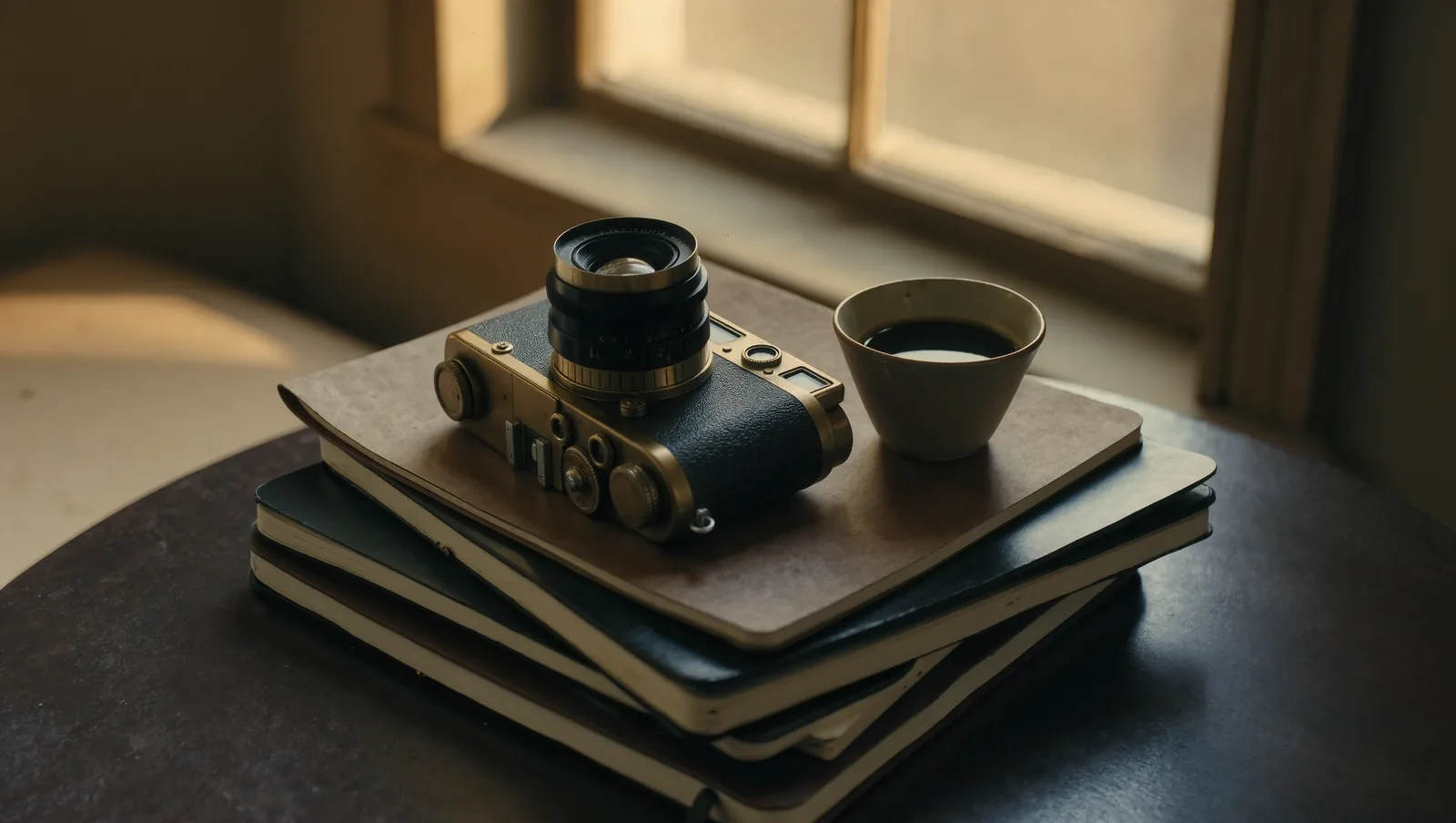
Blue hour usually gets about 20 to 40 minutes on a normal day at mid-latitudes - roughly half the length of golden hour, on the other side of sunset - and most photographers spend all of it either packing up gear or waiting for it to end so “real” light comes back the next morning. That’s backward. Blue hour isn’t a consolation prize for missing golden hour. It’s a different tool for a different subject, and treating it as an afterthought means quietly losing shots that only work in that window.
What blue hour actually is
Golden hour is the sun sitting between roughly 6° above the horizon and the horizon itself - direct, warm, low light. Blue hour picks up right where that ends: the sun has dropped below the horizon down to somewhere around 4-6° under it, direct sunlight is gone, and what’s left is skylight scattered through the atmosphere, reading a deep, saturated blue. There’s no single official cutoff - photography and astronomy sources define the lower edge anywhere from 4° to 8° below the horizon - but the shape of it is consistent everywhere: it starts the moment the sun clears the horizon and fades into full night twilight.
The color is the whole reason to shoot it. Ambient blue-hour skylight commonly measures somewhere in the 9,000-12,000K range, well past the 5,500K of daylight and into territory no daylight-balanced flash or window light gets close to. Leave your white balance on auto or daylight and you’ll capture that blue honestly, which is usually the point - fighting it back to neutral with a 4,000-5,000K custom setting is a choice, not a fix.
The name itself is older than digital photography by about a century: “l’heure bleue,” French for blue hour, was already in use in Paris before it got attached to a 1912 Guerlain perfume of the same name, evoking exactly this hush between the working day and the evening.
Why it beats golden hour for some subjects
Golden hour flatters faces and gives you directional, sculptable light for portraits. It does almost nothing for a subject that has its own lights. That’s where blue hour takes over:
- Skylines and cityscapes. A city shot in full daylight is just a lit building against a bright sky - no contrast, no drama. Shoot the same skyline during blue hour and the building’s windows and streetlights are finally bright enough to compete with a sky that hasn’t gone black yet. You get both the architecture and the ambient glow in one frame, which is impossible an hour earlier or an hour later.
- Venue exteriors. A wedding or event venue photographed at noon reads as a parking lot with a nice building attached. At blue hour, string lights and window glow turn on (or get turned on for you) against a sky that’s still holding color, and the venue looks like the evening it’s actually selling.
- Real estate and architecture. This has a name in that industry - “twilight photography” - and it isn’t a gimmick. Real estate photographers who shoot listing twilight shots specifically time them for blue hour because interior lighting only reads as warm and inviting against a sky that still has color in it; against full darkness the windows just look like holes.
None of that works during golden hour, because golden hour’s whole value is direct sunlight, and these subjects need the sun gone.
Reading the window instead of guessing it
The trap is treating blue hour as “whenever it looks blue outside,” which means either starting too early (sky still too bright, artificial lights barely visible) or showing up too late (sky gone black, no color left to balance against). The window is short enough - same 20 to 40 minutes that stretches or shrinks with latitude, exactly like golden hour does - that guessing it away is a wasted evening more often than not.
The golden hour calculator reads both windows for your actual date and location, not a rule of thumb. Drag the sun dial and you’ll see blue hour marked directly on it in cold blue alongside golden hour’s gold arc, with “Blue hour begins” and “Blue hour ends” readouts down to the minute. Nothing gets uploaded to check it - it runs the same NOAA solar math in your browser and hands you both windows for the evening you’re planning.
That matters most when a shoot has to hit both windows back to back, the way a wedding does: portraits through golden hour, then venue and skyline shots the moment it ends, because blue hour picks up right at sunset with no gap between the two - miss that handoff and you’re shooting the venue in the dark. If you’re building the evening’s timeline backward from the light already, blue hour is the second appointment on that same schedule, not a bonus round if things run ahead.
Put it on the shot list on purpose
The fix here isn’t complicated: stop treating blue hour as the leftover 20 minutes after the “real” shoot ends. If the day includes a skyline, a lit venue, or an architecture shot, put blue hour on the shot list by name before the day starts, with its own start and end time pulled from the actual location and date - not “right after sunset, probably.” Golden hour and blue hour are two different light sources doing two different jobs, and a shoot that only plans for one of them is leaving a usable window on the table every single evening.
If windows like this are useful to know ahead of the shoot rather than during it, they turn up in our field-notes emails too.
Get new instruments first
The first one has the whole bench in it. After that, a short note when a new instrument lands or Gallery gets a real update - nothing else, and one click leaves.